
Toxic playing victim behavior can drain relationships, create confusion, and shift responsibility away from personal growth. These toxic playing victim quotes highlight the patterns, excuses, and emotional games that often come with a victim mindset. Whether you’re seeking clarity, healing from manipulation, or simply looking for relatable words, these quotes offer powerful reminders about accountability, self-awareness, and emotional strength. Explore these thought-provoking quotes and discover insights that can help you recognize unhealthy behaviors while encouraging healthier communication and personal growth.
Toxic Playing Victim Quotes
- “Some people wear excuses like a favorite outfit.” Unknown
- “A victim story becomes toxic when accountability never arrives.” Unknown
- “Blaming everyone else is the easiest full-time job.” Unknown
- “Growth starts where excuses end.” Unknown
- “Not every problem comes with someone else to blame.” Unknown
- “Playing hurt forever keeps healing away.” Unknown
- “Responsibility is the villain in every victim’s story.” Unknown
- “Excuses build walls where solutions could open doors.” Unknown
- “Self-awareness ends many imaginary battles.” Unknown
- “A permanent victim mindset creates temporary friendships.” Unknown
Manipulation Through Sympathy
- “Some tears ask for comfort, others ask for control.” Unknown
- “Sympathy loses value when it becomes a strategy.” Unknown
- “Manipulation often arrives wearing a sad face.” Unknown
- “Guilt is a favorite tool for emotional puppeteers.” Unknown
- “Not every sob story deserves a standing ovation.” Unknown
- “True pain seeks healing, not leverage.” Unknown
- “Emotional tricks eventually reveal themselves.” Unknown
- “Kindness should not become a weapon.” Unknown
- “Attention gained through guilt rarely lasts.” Unknown
- “The loudest victim is not always the most honest.” Unknown
Accountability And Personal Growth
- “Ownership is where maturity begins.” Unknown
- “Growth loves responsibility and avoids excuses.” Unknown
- “Progress starts with looking in the mirror.” Unknown
- “Accountability turns mistakes into lessons.” Unknown
- “Excuses keep people parked in the same place.” Unknown
- “Owning your actions is a superpower.” Unknown
- “The truth grows louder when blame grows quieter.” Unknown
- “Maturity means admitting your part of the problem.” Unknown
- “Personal growth requires honest reflection.” Unknown
- “Responsibility weighs less than regret.” Unknown
Excuse-Making Behavior
- “An excuse today becomes a habit tomorrow.” Unknown
- “Excuses are comfort food for stalled progress.” Unknown
- “Every excuse delays a solution.” Unknown
- “The best excuse is still not a result.” Unknown
- “Excuses sound smart until reality arrives.” Unknown
- “Success rarely answers excuse-filled calls.” Unknown
- “A problem ignored becomes a larger problem.” Unknown
- “Excuse-makers love shortcuts to nowhere.” Unknown
- “Reasons explain; excuses avoid.” Unknown
- “Every excuse spends time you cannot get back.” Unknown
Emotional Responsibility
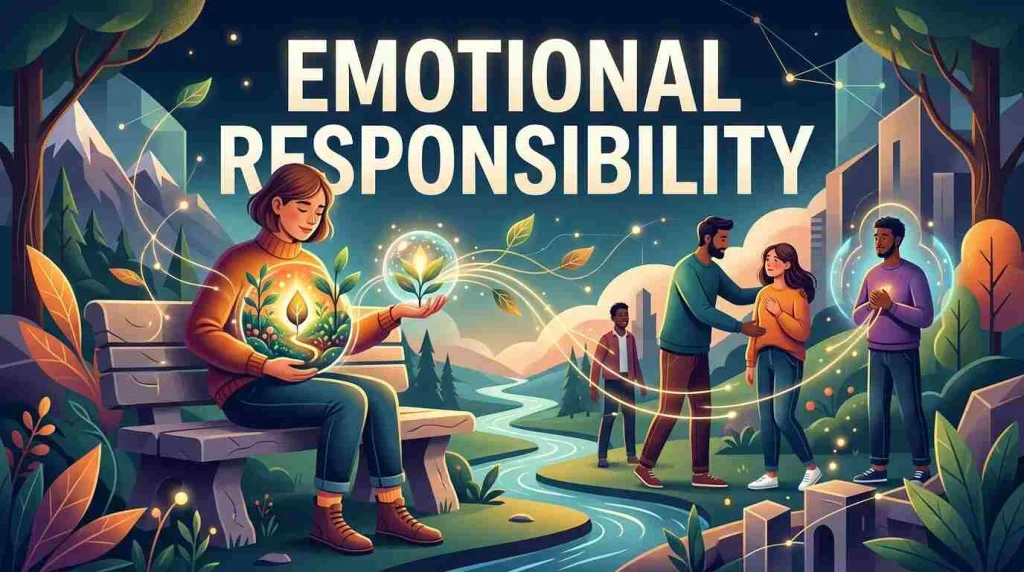
- “Your feelings matter, but so do your actions.” Unknown
- “Healing begins with emotional ownership.” Unknown
- “Emotions explain behavior; they do not excuse it.” Unknown
- “Responsibility creates stronger relationships.” Unknown
- “Awareness is the first step toward change.” Unknown
- “Emotional maturity means choosing response over reaction.” Unknown
- “Growth follows honest self-reflection.” Unknown
- “Blame delays emotional freedom.” Unknown
- “Healthy people own their mistakes.” Unknown
- “Self-awareness beats self-pity every time.” Unknown
Self-Pity Mindset
- “Self-pity is a rocking chair that goes nowhere.” Unknown
- “Feeling sorry for yourself is not a long-term plan.” Unknown
- “Pity can become a comfortable prison.” Unknown
- “Growth struggles to survive beside constant self-pity.” Unknown
- “The world cannot fix what you refuse to face.” Unknown
- “Self-pity whispers while opportunities walk away.” Unknown
- “Every day spent sulking is a missed chance to improve.” Unknown
- “Confidence and self-pity rarely share a room.” Unknown
- “Self-pity tells stories that courage rewrites.” Unknown
- “Strength appears when self-pity leaves.” Unknown
Relationship Red Flags
- “A red flag ignored becomes a bigger problem.” Unknown
- “Healthy relationships welcome accountability.” Unknown
- “Constant blame is never romantic.” Unknown
- “Trust fades where excuses grow.” Unknown
- “Manipulation and love cannot share the same foundation.” Unknown
- “Respect requires responsibility from both sides.” Unknown
- “Drama is not proof of affection.” Unknown
- “Honesty keeps relationships healthy.” Unknown
- “Repeated blame reveals deeper issues.” Unknown
- “A warning sign is not decoration.” Unknown
Narcissistic Tendencies
- “Some egos never miss a chance to avoid blame.” Unknown
- “Self-importance often dislikes accountability.” Unknown
- “The spotlight hides many excuses.” Unknown
- “A fragile ego fears honest feedback.” Unknown
- “Blame is easy when humility is missing.” Unknown
- “Growth begins where pride ends.” Unknown
- “An inflated ego struggles with responsibility.” Unknown
- “Excuses often protect insecurity.” Unknown
- “Humility learns; arrogance deflects.” Unknown
- “Accountability is kryptonite to entitlement.” Unknown
Drama-Filled Personalities
- “Some people create storms and complain about the rain.” Unknown
- “Drama loves an audience.” Unknown
- “Chaos becomes a hobby for some personalities.” Unknown
- “Peace looks boring to attention seekers.” Unknown
- “Every week does not need a new crisis.” Unknown
- “Drama expands when attention feeds it.” Unknown
- “Calm people solve problems instead of performing them.” Unknown
- “Conflict is not a personality trait.” Unknown
- “The loudest room is not always the wisest.” Unknown
- “Drama fades when accountability arrives.” Unknown
Setting Healthy Boundaries
- “Boundaries teach people how to treat you.” Unknown
- “Saying no protects your peace.” Unknown
- “Healthy limits prevent unhealthy habits.” Unknown
- “Boundaries are not punishments.” Unknown
- “Respect grows where limits are clear.” Unknown
- “Protecting your energy is not selfish.” Unknown
- “A firm boundary can save a friendship.” Unknown
- “Peace often begins with one honest no.” Unknown
- “Boundaries reveal who respects you.” Unknown
- “Healthy relationships honor limits.” Unknown
Victim Mentality In Friendships
- “Friendship cannot survive endless blame.” Unknown
- “Good friends own their mistakes.” Unknown
- “Every disagreement is not an attack.” Unknown
- “Healthy friendships require balance.” Unknown
- “Trust grows through honesty, not excuses.” Unknown
- “Victim thinking can exhaust loyal friends.” Unknown
- “Real friendship welcomes accountability.” Unknown
- “Excuses weaken meaningful connections.” Unknown
- “Mutual respect beats constant drama.” Unknown
- “Friendship thrives on responsibility.” Unknown
Workplace Accountability Lessons
- “Excuses rarely earn promotions.” Unknown
- “Results speak louder than blame.” Unknown
- “Professional growth starts with ownership.” Unknown
- “Teams succeed when responsibility is shared.” Unknown
- “Accountability builds trust at work.” Unknown
- “Blame solves fewer problems than effort.” Unknown
- “Reliable people own their mistakes.” Unknown
- “Excuses cannot replace performance.” Unknown
- “Leadership begins with responsibility.” Unknown
- “Workplace respect follows accountability.” Unknown
Recognizing Emotional Games
- “Awareness is the best defense against manipulation.” Unknown
- “Patterns reveal what words try to hide.” Unknown
- “Emotional games lose power when recognized.” Unknown
- “Consistency exposes true intentions.” Unknown
- “Trust actions more than speeches.” Unknown
- “Manipulation depends on confusion.” Unknown
- “Clarity weakens emotional tricks.” Unknown
- “Healthy communication needs honesty.” Unknown
- “Awareness protects your peace.” Unknown
- “Recognition is the first step toward freedom.” Unknown
Truth About Blame Shifting
- “Blame shifting is accountability’s escape route.” Unknown
- “The finger pointed outward hides four pointing back.” Unknown
- “Responsibility disappears when blame takes over.” Unknown
- “Blame offers comfort but not solutions.” Unknown
- “Truth survives even when blame changes direction.” Unknown
- “Growth begins where blame ends.” Unknown
- “Excuses and blame are close friends.” Unknown
- “Shifting blame delays real progress.” Unknown
- “Ownership creates change; blame creates distance.” Unknown
- “Responsibility solves what blame prolongs.” Unknown
Moving Forward With Confidence
- “Confidence grows when excuses shrink.” Unknown
- “The future rewards responsibility.” Unknown
- “Growth belongs to those willing to learn.” Unknown
- “Moving forward requires honest reflection.” Unknown
- “Strength comes from accountability.” Unknown
- “Every lesson learned becomes a stepping stone.” Unknown
- “Confidence follows action.” Unknown
- “Personal growth is the best comeback.” Unknown
- “A better future starts with ownership today.” Unknown
- “Forward is always a good direction.” Unknown
Conclusion
Toxic Playing Victim Quotes offer valuable insight into behaviors that can damage relationships, prevent personal growth, and create unnecessary conflict. While everyone faces challenges and difficult emotions, constantly avoiding responsibility or shifting blame can keep people stuck in unhealthy patterns. These quotes serve as powerful reminders that accountability, self-awareness, and honesty are essential for building stronger connections and a healthier mindset.
Whether you’re recovering from a difficult relationship, learning to recognize emotional manipulation, or simply seeking wisdom about human behavior, these quotes provide meaningful perspectives. They encourage reflection without judgment and highlight the importance of personal responsibility in everyday life. By understanding the signs of a victim mentality and choosing growth over excuses, you can create more positive relationships and a stronger sense of self. Let these quotes inspire clarity, confidence, and a commitment to emotional maturity.
FAQs
What Are Toxic Playing Victim Quotes?
Toxic Playing Victim Quotes are sayings that highlight behaviors where individuals constantly avoid responsibility, blame others, or seek sympathy through a victim mindset. These quotes help people recognize unhealthy patterns and encourage greater self-awareness and accountability.
Why Do People Relate To Toxic Playing Victim Quotes?
Many people have experienced situations involving blame-shifting, emotional manipulation, or lack of accountability. These quotes resonate because they describe real-life behaviors in a relatable and often thought-provoking way.
Can These Quotes Help With Personal Growth?
Yes, they can encourage self-reflection and help individuals recognize habits that may be holding them back. Reading these quotes can inspire healthier thinking, better communication, and a stronger sense of personal responsibility.
Are Toxic Playing Victim Quotes Suitable For Social Media?
Absolutely. Many of these quotes are short, impactful, and easy to share on social media platforms. They can spark meaningful conversations about accountability, relationships, and emotional awareness.
What Is A Victim Mentality?
A victim mentality is a mindset where a person consistently sees themselves as powerless or unfairly treated while avoiding responsibility for their actions. It can negatively affect relationships and personal development over time.
How Can I Recognize Victim-Playing Behavior?
Common signs include constant blame, refusal to accept responsibility, frequent excuses, and seeking sympathy without making efforts to change. Recognizing these behaviors can help you respond more effectively and maintain healthy boundaries.
Are These Quotes Meant To Criticize People?
No. Most Toxic Playing Victim Quotes are intended to encourage awareness and reflection rather than attack or shame anyone. Their purpose is to promote personal growth and healthier interactions.
Can These Quotes Help In Relationships?
Yes. They can help people identify unhealthy patterns, improve communication, and better understand the importance of accountability. This awareness often leads to stronger and more balanced relationships.
Why Is Accountability Important?
Accountability builds trust, encourages growth, and strengthens relationships. Taking responsibility for actions allows people to learn from mistakes and create positive changes in their lives.
Where Can I Use Toxic Playing Victim Quotes?
These quotes can be used in social media posts, blogs, presentations, personal journals, discussions about self-improvement, or anywhere you want to share insights about responsibility and emotional growth.